KAPLAN MD SKINCARE
 If your skincare is starting to smell more like a barbecue than a spa, you're not imagining things. Beef tallow is officially the latest skincare craze, with its market valued at $4.2 billion. Beef Tallow is being framed by its fans as an ancient skincare secret that modern beauty ignored.
But is old the same as effective? No, definitely not.
It is true that Beef Tallow has a long history within the skincare industry. Native Americans used it as a skin protectant against insect bites. Ancient Egyptians used it as moisturizer against harsh desert air. So if beef tallow was so highly regarded, why did it fade out of routines?
Beef tallow was not cancelled. It was outperformed by ingredients that are actually proven to have an effect and work on your skin.
Two things are driving the comeback.
First, beef tallow is positioned as a “clean-beauty” alternative, free from harsh chemicals making it a seemingly better skincare alternative.
Second, beef tallow appeals to both men and women for different reasons.
For men, the appeal in tallows lies in its strong masculine associations. Red meat carries strong masculine associations akin to hunting, tradition, and physical dominance. Therefore, applying tallow to your face feels less like a beauty routine and more like masculine maintenance, the skincare equivalent of changing your own oil.
Tallow's appeal to women stems from its promise to balance hormonal issues. Tallow proponents claim that tallow’s rich vitamin content can help hormonal issues such as PCOS, infertility, and thyroid issues. Tallow fanatics encourage women to use it as a topical treatment to best reap tallow’s benefits.
Here's the honest truth: beef tallow has never been clinically tested, which means it is not a trusted ingredient. A2025 study found insufficient evidence that tallow actually delivers results for skin. The same study found that most social media claims about tallow lacked cited evidence, and that dermatologists, like Dr. Kaplan were the least likely group to promote it.
Dr. Kaplan is intentional with his formulations, only using ingredients he has clinically tested himself. "Every single ingredient, every single product has been formulated and tested by me," he says. "What makes Kaplan MD products stand out is the simplicity of use, the fact that all of our products are independently laboratory tested and that there is a truth and honesty about the results." When an ingredient is clinically tested, its effect on skin is proven and that's what lets dermatologists confidently advocate for it.
Yes, tallow's fatty acid profile resembles human sebum. But a molecular resemblance tells you what's in the jar, not what it will do to your skin. As Dr. Kaplan puts it: "Use brands and products where you understand the science, where there's a doctor behind it."
Tallow's main appeal is its vitamin content, as vitamins A, D, E, and K are all naturally present. But presence isn't potency. An ingredient list tells you what's in the jar; a formula tells you what it actually does, and those are not the same thing.
Most skincare products contain only tiny amounts of patented ingredients, just enough to make a marketing claim, not enough to have a clinical effect.
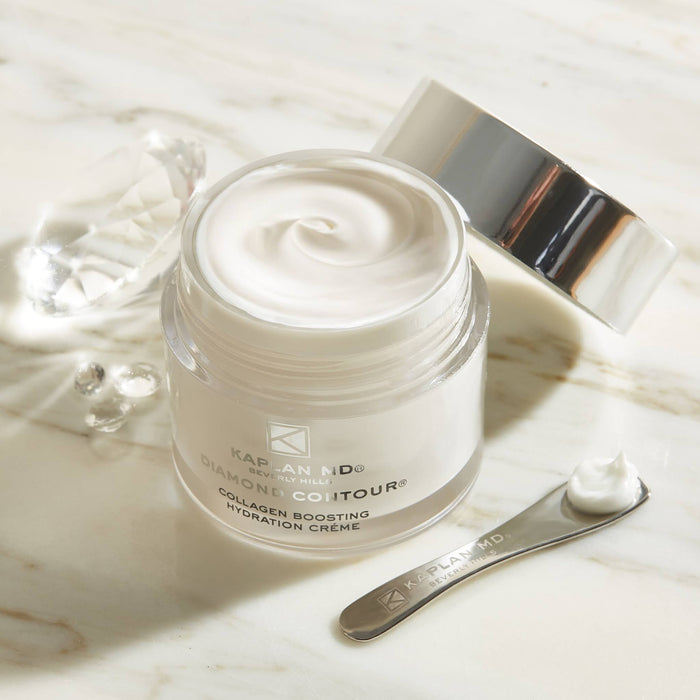
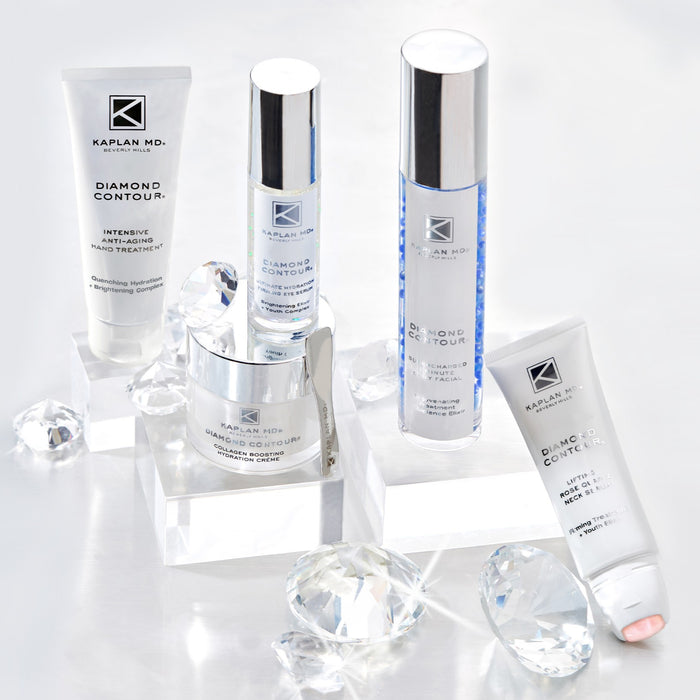
Dr. Kaplan formulates differently: every ingredient goes in at the concentration clinically proven to actually work. "My job is not to split them so I have 10 bottles with one ingredient. I want one bottle with 10 ingredients," he says. Dr Kaplan formulated theDiamond Contour Collagen Boosting Hydration Crème to provide tangible results, as it is clinically proven to reduce fine lines and wrinkles, increase skin hydration, and improve skin firmness and elasticity after just one use.
So yes, is it true that tallow does have vitamins in it. What it doesn't have is proof that the amount of vitamins present actually does anything on your skin.

The boldest tallow claim yet is that it is a viable sunscreen substitute. Some brands are selling tallow-based sunscreens; some TikTokers are skipping SPF for plain tallow altogether. There's no evidence tallow offers broad-spectrum protection, and skipping real SPF for tallow will increase your burn risk.
Dr. Kaplan explains it this way: putting tallow on your skin and expecting sun protection is like oiling a pan and expecting the pan to be protected from the fire.
SPF isn't something an ingredient naturally has; it's created and verified exclusively through lab testing. Any SPF in a tallow sunscreen is coming from the added zinc oxide, not the tallow itself.
The Diamond Contour Broad Spectrum SPF 30 Complete Complexion Treatment earns its SPF 30 the legitimate way, through lab-testing and dermatologist formulation approval.

Beef tallow's comeback says more about consumer distrust than any real advance in skincare. Granted, that distrust is earned, but trading one unaccountable source for another doesn't solve anything; it just reassigns the blame.
Tallow wasn't cancelled by dermatology. It was outperformed by ingredients that actually went through the clinical testing and are proven to deliver real results.
"Ancestral" doesn't mean "effective." And when it comes to proof, it's in the pudding, not the tallow.